
GLOBAL ORGANISATIONS URGE VANTARA TO PERMANENTLY END WILD ANIMAL IMPORTS
Leading animal welfare and conservation non-governmental organizations (NGOs) have called on Vantara, the private megazoo funded by India’s Reliance Industries, to end wild animal imports permanently. The NGOs are responding to Vantara’s recently published announcements to restrict wildlife imports, support in situ wild animal sanctuaries and conservation, enhance governance and due diligence, and address concerns about its practices and standards.
Vantara’s recent announcement follows years of comprehensive investigations and reports by civil society organizations and independent journalists regarding the megazoo’s operations. Vantara has imported more than 60,000 live animals belonging to some 2,000 species – an unprecedented level of animal imports within a four year period. Its acquisitions include some of the world’s rarest, most endangered, and iconic species, including great apes, such as Tapanuli orangutans, Spix’s macaws, Galapagos iguanas and Shoebills.
In response to sustained international pressure, Vantara has come under intense monitoring by the Convention on International Trade in Endangered Species of Wild Fauna and Flora (CITES).
The NGOs “welcome the announced change in focus towards in situ conservation and the 12 months moratorium on further imports”, but “strongly advocate a clearer, stronger approach to future acquisitions, a profound and long-term commitment to advancing global efforts to end the capture of animals from the wild for collections or public display, and meaningful support for the organisations and relevant authorities working to protect wild species in situ”.
They point out that exemptions Vantara has included to its moratorium risk allowing the future import of animals originating from commercial facilities, animals presented as captive-bred but likely sourced from the wild, and animals from unverified – and possibly illegal – sources. Further, a limited-time moratorium may signal to exporters that imports could continue in the future, and lead wildlife traders and traffickers to stockpile animals in anticipation of the moratorium’s expiration.
The NGOs call on Vantara to transform the announced temporary 12-month pause into a permanent end to all wild animal imports, with exceptions strictly limited to independently verified conservation or welfare emergencies. Specifically, they urge Vantara to implement the following:
- End Commercial Incentives: Halt all direct or indirect payments including “donations” that could be interpreted as being linked to animal acquisitions. Payments may fuel commercial exploitation, incentivize wild capture, and encourage the mislabeling of wild-caught animals as “rescued” or “captive-bred.”
- True Rescue & Sanctuary Standards: Adopt strict, transparent criteria for what constitutes a legitimate “rescue,” implement a no-breeding policy, and refrain from commercial trade, exchanges, or acquisitions for public display.
- Full Public Transparency: Publish a complete, regularly updated inventory, reviewed by independent experts, of all animals held at Vantara — including origins, transfers, births, and deaths.
- Independent Oversight: Guarantee accountability and transparency, eliminate potential conflicts of interest on Vantara’s advisory boards, and ensure full protection for civil society, journalists, and whistleblowers.
- Prioritize In Situ Support & Repatriation: Support independently-run NGOs in countries of origin to protect wildlife habitats and help ensure high-standards of care in reputable local rescue centers, while evaluating options to repatriate animals to their native range States where appropriate. The NGOs stress that “Wildlife is part of a country’s natural heritage”.
- Address compliance concerns: Address concerns and adopt remedial measures on all matters relating to the acquisition of animals, including their origin.
Upcoming CITES meeting to review compliance concerns
The NGO call comes ahead of the 81st meeting of the CITES Standing Committee, due to take place on 2-6 November in Geneva, Switzerland. The Standing Committee will consider the Indian government’s response to findings of an official CITES Secretariat verification mission to India conducted in September 2025. The mission’s findings expressed concerns about the large volume of imports of strictly protected species to Vantara and potential violations of international trade regulations.
The organizations stress that “at a time when wildlife trade interests are often well-financed and well-connected, and when legal and regulatory measures are underfunded […], institutions with substantial resources and influence should support efforts to protect wildlife in its natural habitats, rather than incentivise further exploitation“. They urge CITES member States and Vantara to ensure full transparency, robust legal compliance, and genuine accountability in order to protect threatened and traded species globally.
Background information:
- Open letter by 27 animal protection and conservation organisations in response to Vantara’s announcements (dated 22 September 2026)
- Press release and letter by Vantara on “Detailed representation by Vantara pursuant to Directions given by the CITES Management Authority of India” (dated 19 August 2026) https://cms.vantara.in/uploads/Media_Statement_Letter_to_CITES_MA_India_and_Voluntary_Commitments_cfb4a786f5.pdf
- Report by the CITES Secretariat on its verification mission to Vantara/India, to assess compliance with the CITES requirements (published 31 October 2025): https://cites.org/sites/default/files/documents/E-SC79-06-03-04_1.pdf
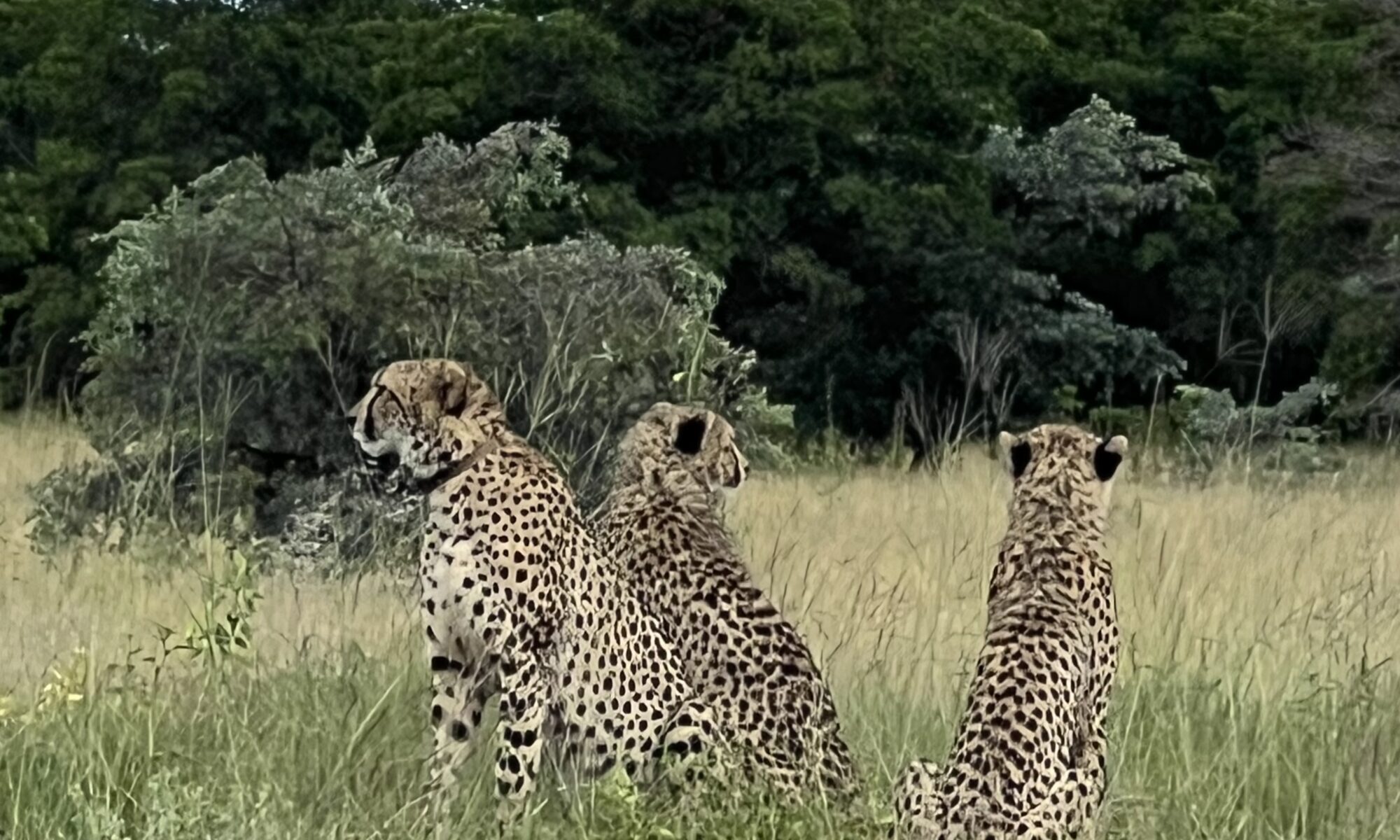
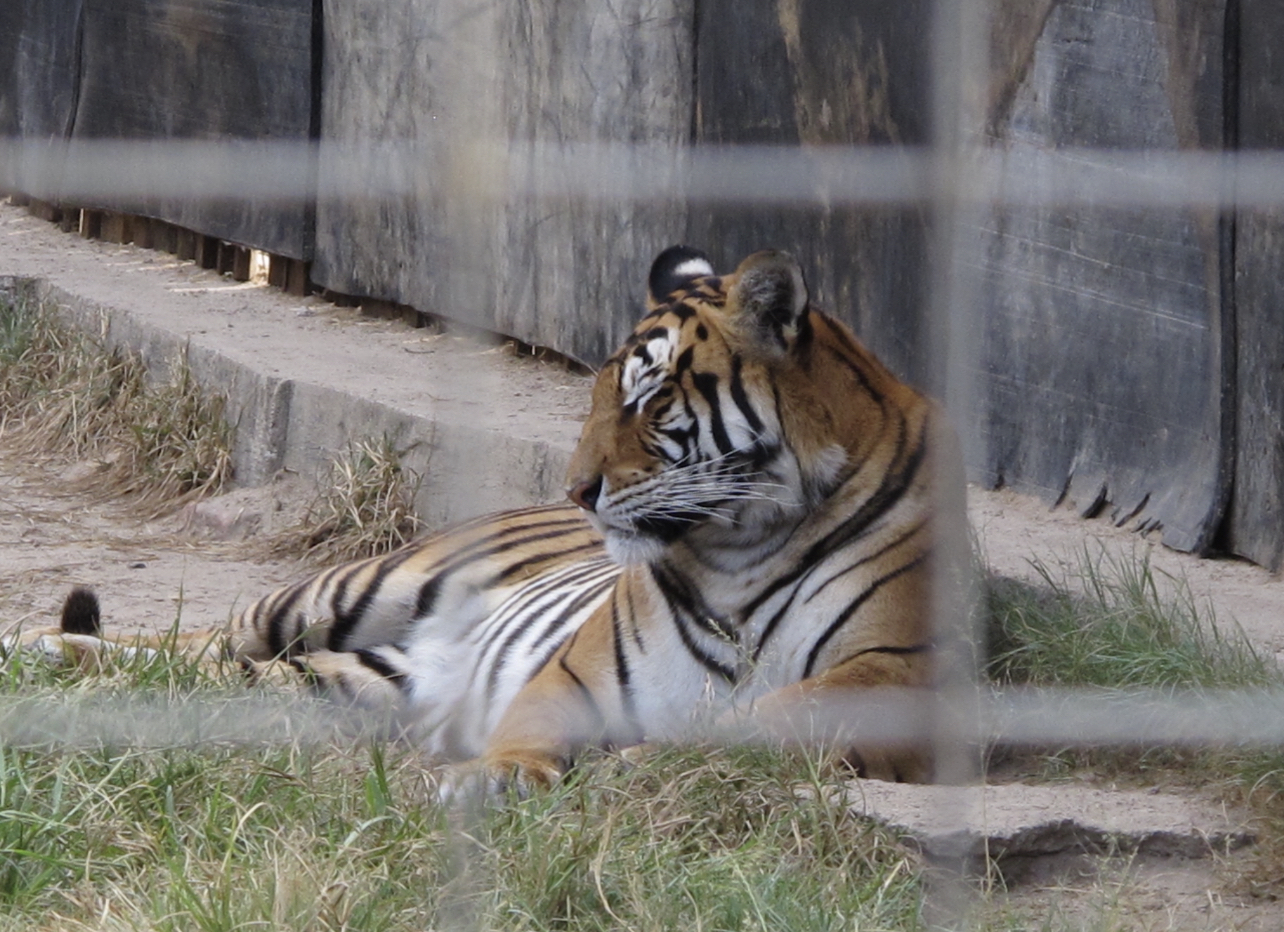
Image: Ban Animal Trading 2021
©WAPFSA 2026. All Rights Reserved.