

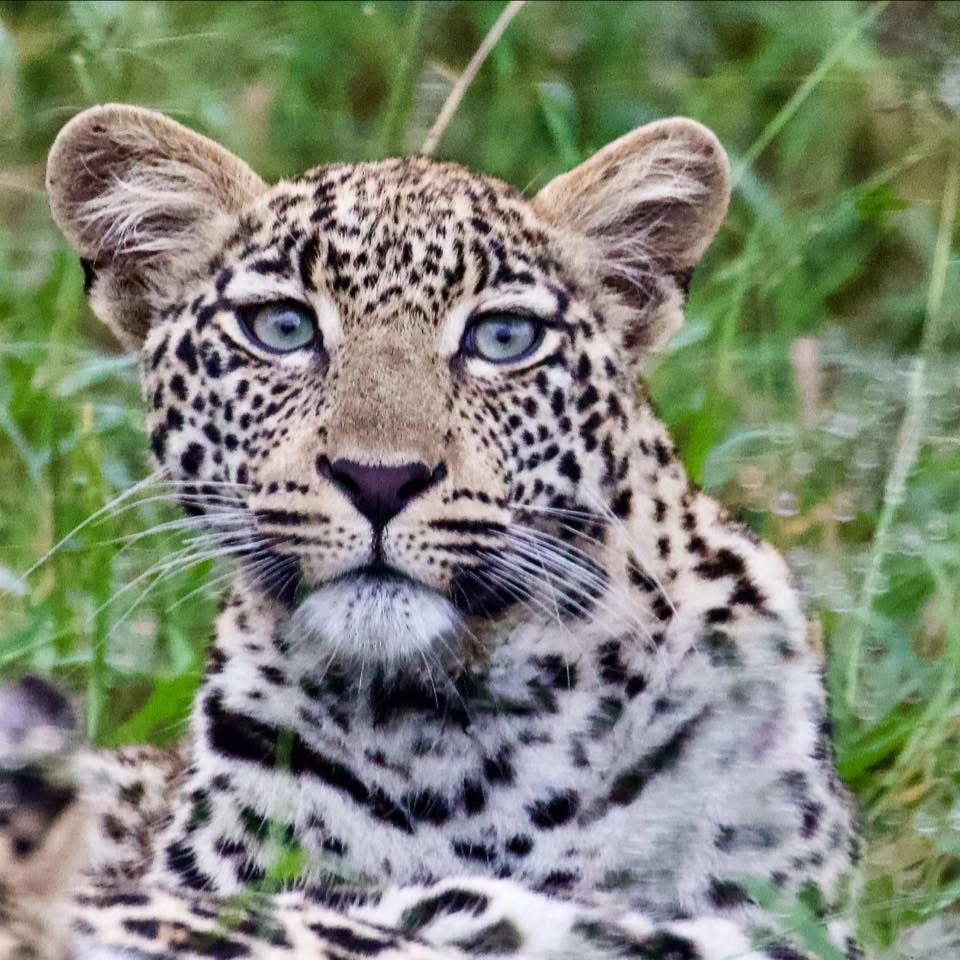
South Africa’s constitutional guarantee to protect the environment requires balancing ecological integrity with human development, but equating “sustainable use” with trophy hunting undermines the broader mandate of intergenerational equity and biodiversity protection.
Legal analysts and conservation critics point out that treating wild animals merely as commercial commodities for selective, high-paying sport sidelines holistic ecological stewardship and prioritizes short-term economic gains for private landowners over systemic animal welfare and biodiversity health.
Furthermore, South Africa’s higher courts such as in landmark rulings highlighted by the Constitutional Court have increasingly emphasized that the constitutional right to an ecologically sustainable environment cannot justify practices causing severe animal suffering or environmental degradation. Relying on trophy hunting as a core pillar of conservation distorts the true meaning of sustainability, which should instead foster non-consumptive ecotourism, ethical habitat preservation, and genuine community-based resource management that safeguards ecosystems for future generations.
The Draft National Leopard Conservation Strategy and Action Plan 2026 has been published for public comment. The draft Strategy and Action Plan envisions acknowledging leopards as a vital component of the nation’s natural heritage, valued across cultures for their ecological, cultural and symbolic significance.
The draft Strategy and Action Plan is supported by goals and strategic activities based on the species’ (a) ecological role, (b) social and cultural values, and (c) livelihoods and impacts of leopards.
WAPFSA Recommendations:
- The Legal and Scientific Deficit
We must highlight a core, ongoing crisis in South African biodiversity management. South Africa has not published a Non-Detriment Finding (NDF) for leopards since May 2015, yet the government continues to allocate and debate trophy hunting export quotas. This systemic gap places the country’s wildlife management in a complex legal and ethical deadlock.
The last formalized leopard NDF, gazetted in September 2015, explicitly concluded that international trade and trophy hunting posed a high risk to the survival of leopards in South Africa. This was driven by a lack of reliable population data, illegal killings, and poor harvest management.
Under CITES regulations and South Africa’s National Environmental Management: Biodiversity Act, an export quota for an Appendix I species cannot legally be enforced without a current, scientifically backed NDF proving the trade isn’t detrimental. Despite this, the South African National Biodiversity Institute (SANBI) has not gazetted a new, finalized leopard NDF to justify recent quotas.
- Re-evaluate and Reduce Trophy Hunting Quotas
A comprehensive 2026 continent-scale assessment reveals that current CITES hunting quotas exceed sustainable limits in more than half of the trophy-hunting countries evaluated.
Leopard population models dictate that the maximum safe offtake threshold is strictly 10% of the adult male population.
South Africa should instantly audit and reduce hunting quotas to match empirical population data, capping annual harvests well below the 10% adult male threshold to prevent localized population collapses.
- Prioritize Corridor Connectivity & Habitat Restoration
Leopards have vanished from roughly 41% of their historical African range. Predictive models show that leopard density drops significantly near high-density human settlements, agricultural zones, and dense livestock farming, specifically sheep and goats.
Conversely, leopard populations thrive where there is a high species richness of wild bovids and suids. Suids are stout, hoofed mammals with thick skin and prominent tusks. African species commonly hunted by large predators including the bushpig (Potamochoerus larvatus) and the common warthog (Phacochoerus africanus).
We need to shift focus from isolated protected areas to landscape-level habitat restoration and designated movement corridors to reconnect fragmented forest and savanna patches. Proactively restore populations of wild prey, ungulates, inside and outside protected boundaries to reduce the likelihood of leopards targeting domestic livestock.
- Establish Centralised, Standardised Monitoring Databases
National leopard trend lines are highly volatile and mask dangerous regional declines. For example, while some national datasets show an average annual increase of 2.6%, regional data shows areas such as KwaZulu-Natal are actively losing leopards at a rate of 3% per year, while data for the Eastern Cape remains entirely scarce.
South Africa needs to fund and scale continuous, large-scale camera-trap surveys spanning 1500–3500 km². Consolidate this data into a centralised national population database, mirroring frameworks like the Cape Leopard Trust’s Leopard Data Portal in order to eliminate blind spots and enable adaptive, real-time management.
5. Revise Human-Wildlife Conflict and Translocation Protocols
Long-term tracking shows leopards possess incredible homing instincts. When a “problem animal” is trapped and translocated away from its home range, it routinely attempts to navigate back, steering it directly through dense human/agricultural landscapes. This increases the frequency and severity of human-leopard conflictrather than reducing it.
These are some practical considerations:
- Treat capture and translocation as an absolute last resort.
- If an animal must be captured and released, it should remain within its immediate home range.
- Invest heavily in non-lethal community-driven deterrence, compensating farmers for livestock protection, and addressing the cultural use of leopard skins through sustainable alternatives. READ FULL SUBMISSION:
Image Credit: Brian Abrahamson
©WAPFSA 2026. All Rights Reserved.


