WAPFSA SHARES CONCERN – UNESCO World Heritage Sites – The Cape Floral Kingdom

The Cape Peninsula and the Overstrand region of the Western Cape of South Africa are known for their significant UNESCO recognition. The Cape Floral Region Protected Areas is a designated UNESCO World Heritage Site, celebrated for its exception plant diversity and unique Fynbos vegetation. The Kogelberg Nature Reserve lies between Gordon’s Bay and Kleinmond in the Overstrand region of the Western Cape is considered a core conservation area.

The Cape Floral Region Protected Areas is a World Heritage Site inscribed in 2004 is located at the southwestern tip of South Africa and is one of the world’s major centers of terrestrial biodiversity. This region encompasses national parks, nature reserves, showcasing a remarkable array of endemic plant species particularly within the Fynbos vegetation. The site is managed by CapeNature and the Cape Action for People and the Environment programme. 

The Cape Peninsula baboon population represents a genetically distinct peripheral population exhibiting unique behavioural adaptations to Mediterranean-type fynbos ecosystems. Each individual eliminated represents irreversible loss of evolutionary heritage shaped by millennia of adaptation to this UNESCO-recognised biodiversity hotspot and represents a unique evolutionary experiment in primate adaptation to Mediterranean-type ecosystems. 

WAPFSA members share concern about the proposed removal of the chacma baboon from the Cape Peninsula and the Overstrand regions of the Western Cape of South Africa and the negative implications on the status of the UNESCO World Heritage Sites of the Cape Floral Kingdom.

Keystone Species Functions 

Peninsula baboons serve as irreplaceable ecosystem engineers within the Cape Floral Kingdom, providing essential ecosystem services: 

Seed Dispersal Networks: Long-distance dispersal of indigenous fynbos species, particularly large-seeded fynbos taxa, maintaining vegetation genetic diversity across fragmented landscapes through specialised gut passage and territorial movements spanning kilometres. Their daily foraging movements of 2-8 kilometres create critical dispersal networks connecting fragmented fynbos patches, facilitating gene flow in plant populations that co-evolved with primate-mediated dispersal over millennia. 

Soil Nutrient Cycling: Foraging activities and strategic nutrient deposition significantly influence soil chemistry and plant community composition throughout 16 distinct territorial ranges. 

Trophic Regulation: Complex predator-prey relationships with apex species whilst regulating invertebrate populations, maintaining ecological balance essential for fynbos ecosystem integrity. They also serve as prey for apex predators, maintaining critical predator-prey dynamics within the fynbos biome. Baboons also play roles in pollination facilitation and influence soil nutrient cycling. 

The ecological implications of eliminating 25% of these dispersal agents extend far beyond baboon population dynamics. Endemic Protea species, many found nowhere else on Earth, depend on baboon seed vectors for long-distance dispersal between suitable habitat patches. Systematic reduction of dispersal agents fundamentally alters plant community composition, particularly critical following the December 2023 fires that already stressed regeneration capacity across the region. No efforts have been made to rehabilitate the area to improve foraging for the baboons. 

WAPFSA Concern 

WAPFSA is concerned about the negative consequences and the sustainability of the designated UNESCO World Heritage Sites of the Cape Floral Kingdom due to the aggressive management policies and or the permanent removal of the chacma baboons in these sensitive areas. 

©Image: Kogelberg Villages Environmental Trustees (KVET) 2025

©WAPFSA 2025. All Rights Reserved.

WAPFSA CONCERN – REOPENING OF THE BLOEMFONTEIN ZOO

Members of the Wildlife Animal Protection Forum of South Africa (WAPFSA) have expressed their concern about the reopening of the Bloemfontein Zoo in a letter to the National Council of SPCA’s.

This is a copy of the communication:

On the 1st of August 2025 it was reported that a sum of thirty million rand has been allocated over three years for infrastructure upgrades improved amenities and restoring the Bloemfontein zoo’s operation capacity.  “We have appointed a consultant and he is busy designing the first phase of the refurbishment Head of Community Services at Mangaung Metropolitan Municipality, Dr Thabang Thinda”

WAPFSA members are extremely concerned to read that this vast sum of money has been allocated to the refurbishment of the Bloemfontein Zoo. We are writing to seek your absolute assurance that this facility will not be refurbished as a zoo to exhibit any wild animal species.   

On the 3rd October 2024 the NSPCA confirmed that their application to the High Court of South Africa, Free State Division, Bloemfontein would prevent the Mangaung Metropolitan Municipality from re-opening the zoo unless they comply with stringent conditions, which the NSPCA believed were unlikely to be met. 

The order, which was granted on the 19 September 2024 states that the Mangaung Municipality is prohibited from receiving any wild or exotic animals without the necessary permits.  Additionally they are restricted from receiving any threatened or protected  animals unless granted permits in terms of the Threatened or Protected Species (TOPS) Regulations, including registering as commercial exhibition facility.

Furthermore, the Zoo cannot reopen unless there is a sufficient budget to lawfully and sustainably operated the facility, along with an official resolution duly passed by the municipal council. The NSPCA further stated that the Free State Department of Economic, Small Business Development, Tourism and Environmental Affairs (DESTEA) cannot in properly considering the animal welfare implications issue any permits in good faith unless significant changes are made to the now defunct Bloemfontein Zoo. 

The NSPCA stated that there is no place for archaic practices like zoos which hold no bona fide education for conservation purposes, this will not be the end of the NSPCA’s fight against zoos in South Africa and we will continue to serve the best interests of all animals kept in these synthetic and inadequate environments.

In October 2024 WAPFSA member organisations stayed at an urban hotel in Bloemfontein called the Protea Hotel Willow Lake The property of this hotel borders onto the grounds of what was the Bloemfontein zoo.  The tiny enclosures are derelict and overgrown. The only remaining animals were buffalo which could not be relocated or moved because of the threat of a tuberculosis contamination. 

The organisations were informed by senior hotel staff that  representatives from the Johannesburg Zoo stayed at the hotel for a prolonged period of time in September 2024. 

WAPFSA is unsure what official role the Johannesburg Zoo is playing in the planning for the reopening of the Bloemfontein Zoo but according to a media report published on the 27th May 2024 Johannesburg Zoo representatives were/are involved. Mr Sello More, the City Manager accompanied by heads of Departments and a team from the Johannesburg Zoo, visited the Bloemfontein Zoo on the 24th May 2024 to obtain a progress report ahead of the re-opening.  

“There is a lot of work happening on the ground and I am very impressed by the progress made to date.  This facility belongs to the people of Mangaung, and we need to get it up and running soon.”

The Bloemfontein Zoo closed down because of financial difficulties and serious ethical concerns about animal welfare. WAFSA does not believe that the Bloemfontein Zoo can ever provide adequate space or is a suitable environment to house wild animals.   There is also an increasing global awareness of animal rights and welfare which negatively impacts public perception and their support for zoos in general. 

© Image: EMS Foundation – Bloemfontein Zoo 2024

©WAPFSA 2025. All Rights Reserved.

WAPFSA strongly recommends that the facility be restructured as botanical garden offering residents and visitors to Bloemfontein stunning scenery, diverse flora and themed gardens.  

Diverse flora will naturally attract a wide variety of birds and insects. This could be developed into a secure facility for residents and visitors to Bloemfontein to enjoy safely without compromising the welfare and wellbeing of wild animals.   The new facility can be used as an income generating venue for events, concerts, exhibitions and relaxation.  Kirstenbosch National Botanical Gardens in the Western Cape is an excellent example of a globally recognised hub for plant conservation.

CEASE AND DESIST CAPE PENINSULA BABOON MANAGEMENT JOINT TASK TEAM PROPOSED REMOVAL OF BABOONS

The Wildlife Animal Protection Forum of South Africa (WAPFSA) is a national network of twenty-eight South African environmental and conservation organizations established in 2017 with a particular emphasis on wild animal protection expertise. 

WAPFSA is explicitly designed as a vehicle to engage with governments on the issue of the conservation, wellbeing and protection of wild animals and the natural environment in which they live.Our policy positions are based on robust science, ethical and compassionate conservation practices and harmonious co-existence within nature. WAPFSA’s activities are underpinned by an understanding that the inter-relationship between environmental protection, animal well-being, conservation and the values of dignity, compassion and humaneness are foundational to our constitutional democracy. 

WAPFSA also advocates for the concepts of UBUNTU, the intrinsic value of wild animals and an integrative policy approach.

The WAPFSA non-human Primate Working Group has a particular interest in the management of chacma baboons inSouth Africa and has engaged with the Western Cape Provincial Government and with the Minister of Forestry, Fisheries and the Environment on several occasions. WAPFSA comments on the Cape Peninsula Baboon Strategic Management Plan are reflected and published on the SANParks website.

Members of WAPFSA are part of the Ministerial Wildlife Well-being Forum, instituted by the Department of Forestry,Fishery and the Environment (DFFE) in May 2023, by special request of former Minister Barbara Creecy, to consult organizations focused on best practices for the protection of wildlife, with the view to implement the provision of animal well-being in conservation practices. The Ministerial Wildlife Well-Being Forum Primate Task Team is chaired by a member of WAPFSA.

Baboons are complex agentic beings, analogous to humans. They have the capacity to suffer, share a common evolutionary and biological history, have their own unique cultures and form their own sovereign communities. Studies clearly show that other animals have rich inner lives, including languages and cultures, and recent work in political philosophy shows that they not only form their own communities, but often actively co-shape communities, habitats, and relations with humans.

When it comes to issues of management strategies, baboons warrant a very different approach from the one currently carried out by the CPBMJTT which: perpetuate settler coloniality; currently reflect a strictly utilitarian mindset – as seen from the application of lethal and pain aversion baboon management interventions and deliberately act to ‘invizibilize’ baboons. 

Thirty-Four wildlife welfare organisations have supported the Cease and Desist Letter addressed to the City of Cape Town, SANParks, Cape Nature and Sharkspotters with regard the proposal by the CPBMJTT to remove baboons from the Cape Peninsula.

READ THE CEASE AND DESIST LETTER AND IMPORTANT APPENDIX:


©Image Credit: KVET 2024

©WAPFSA 2025. All Rights Reserved.

OFFICIAL WAPFSA MEDIA RELEASE VANTARA

OFFICIAL MEDIA RELEASE – VANTARA

The Wildlife Animal Protection Forum of South Africa (WAPFSA) is a national network of thirty South African organizations established in 2017. WAPFSA is explicitly designed as a vehicle to engage with governments on the issue of the conservation, wellbeing and protection of wild animals and the natural environment in which they live. 

Our policy positions are based on robust science, ethical and compassionate conservation practices and harmonious co-existence within nature. 

On the 6 March 2025 WAPFSA sent a letter of concern to Dion George, the South African Minister of Environment Forestry and Fisheries, copying in other relevant sections in his department as well as the CITES Secretariat. The letter related to the export of a large number of wild animals among others leopards, cheetahs, lions and tigers from South Africa to the Greens Zoological Rescue and Rehabilitation Centre (GZRRC) in India (also known as Vantara). 

Part of WAPFSA’s remit is the monitoring of international trade in wildlife. Bearing in mind that all South Africanshave a Constitutional right to have their environment protected through reasonable legislative and other measuresthat promote conservation as well as a right to the information held by the state that is required for the exercise of theenvironmental right, it is clearly reasonable and in the public interest that WAPFSA is permitted to raise concernsabout the international wildlife trade with the relevant authorities and ask them to investigate these concerns. 

As is clear from the many links provided in our letter and Report, WAPFSA identified issues already publicly raised by others in published documents and sources and requested that the authorities investigate further. The tone of the letter is reasonable and respectful. WAPFSA addressed its concerns not to the media but to the properauthorities in South Africa.

On the 11th March 2025, WAPFSA received a letter from SHS Chambers, lawyers for the  GZRRC, the content of which attempts to allege that WAPFSA’s letter to the South African organisation’s own government was defamatory and contained falsehoods. 

Attorneys acting for WAPFSA responded to SHS Chambers on the 18th March 2025, stating that their allegations are both incorrect and unsubstantiated, furthermore they suggest that the real purpose of the letteris to intimidate WAPFSA into dropping its investigations, all of which are undertaken purely in the public interest,into wildlife trade from South Africa.

WAPFSA believes that for people to be able to participate fully in their country’s democratic systems and processes, they need information to help them make informed choices. 

Where information is hidden, limited, or misconstrued to suit a certain agenda, people are excluded, unable to engage with governance issues from a well-rounded point of view and to hold their governments to account. This in turn impacts the realisation of human rights, not least because freedom of expression is itself a fundamental human right, constitutionally protected in South Africa and enshrined in Article 19 of the Universal Declaration of Human Rights.

Transparency and access to information, therefore, is non-negotiable, and it is what members of civil society organisations and the global media fight for, every day of their lives.

Date: 19th March 2025

WAPFSA Administrator

email: administrator@wapfsa.org

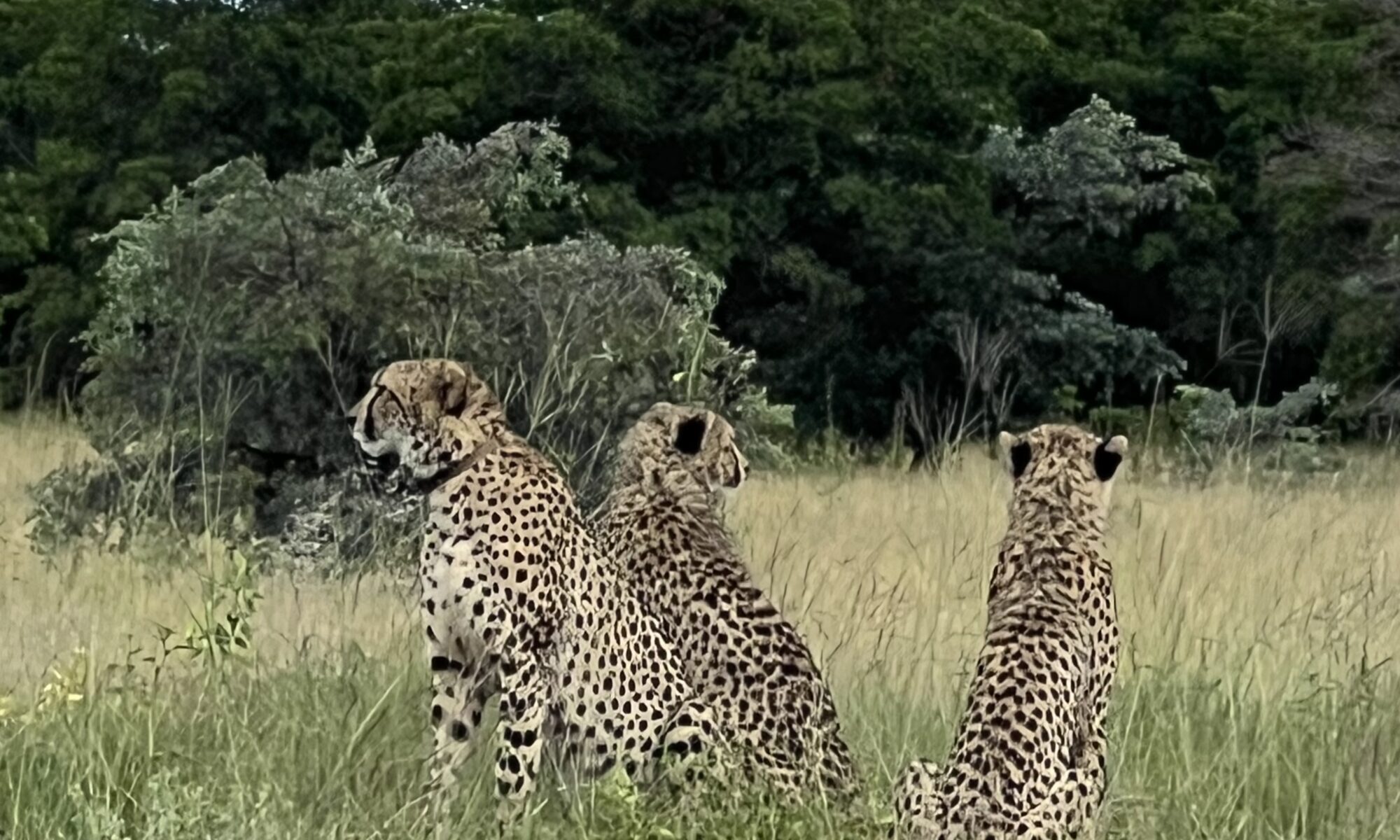
Image: South African Cheetahs in Limpopo Province 2025

©WAPFSA 2025. All Rights Reserved.

BABOONS NEED TO BE RESPECTED, NOT FEARED, HATED, HUNTED AND PERSECUTED BY CHILDREN AND ADULTS ALIKE IN SOUTH AFRICA

PUBLIC STATEMENT

BABOONS NEED TO BE RESPECTED, NOT FEARED, HATED, HUNTED AND PERSECUTED BY CHILDREN AND ADULTS ALIKE IN SOUTH AFRICA

Wednesday 12th February 2025

The Members of WAPFSA are deeply concerned by reports of school children violently stoning and beating a dispersing male Chacma baboon, then according to reports, binding him with metal wire and a tire, and burning him to death, while at a school in Mpumalanga Province. This barbaric and inhumane act was captured on camera and shared on social media. 

WAPFSA acknowledges the fact that South Africa is a violent country. According to the United National Office for Drugs and Crime, the South African murder rate for 2023 and 2024 of 45 per 100 000 is the second highest for countries that publish crime data.

Crime researchers use murder rate per 100 000 as a crude measure of the general level of violent interpersonal crime globally.

Witnessing such violence predicts and increase’s a child’s engagement in maladaptive behaviours, including the perpetration of violence towards humans and animals. 

The  United Nations Committee on the Rights of the Child  confirms that the damage violence  can cause for those children who witness it, has long been flagged by psychologists.  

Violence against animals has been documented by extensive scientific research and has been linked to other forms of violence including direct and indirect domestic and gender-based violence, violence in the workplace and against children,  

This particular act of violence towards a sentient and intelligent Chacma baboon needs to be thoroughly investigated and the consequences must be addressed without delay.  Baboons are victims of inexplicable hatred in South Africa and are widely considered as vermin despite their complex social structure and intelligence.  

PLEASE READ THE FULL STATEMENT

Teaching Children that it is an Acceptable Practice to Shoot Baboons 

Tens of millions of rands of taxpayers’ money has been spent on attempting to manage baboons in the Cape Peninsula and the Overstrand over the past two decades using  protocols which, according the available data, and expert and public opinion, ignore baboon sentience and well-being and have not been successful for baboons or for humans. 

For example, the Cape Peninsula Baboon-Strategic-Management-Plan sanctions the use of paintball markers against the 16 indigenous baboon troops historically present on the Peninsula as a management technique. Perhaps, encouraged by this violent management strategy, some residents have taken up arms such as pellet guns, and other lethal means, resulting in the death of numerous baboons this year.

Intensive research of these management practices in the Western Cape, has highlighted the fact that the protocols established to manage baboons were instituted by a baboon management company and adopted without a rigorous public participation process by the City of Cape Town Municipality, Cape Nature, SANParks and the Overstrand Municipality.  These protocols must be recast.  Baboon management, at the very least, requires a flexible, dynamic and compassionate approach.

In Pringle Bay in the Western Cape, the Overstrand Municipality has armed entire teams of individuals, employed via the extended Public Works Programme, with paint ball markers and other weapons to shoot the baboons out of the village. This violent approach ignores the fact that the Chacma baboon depends upon foraging areas within the village in order to survive. 

There is evidence that this violent strategy in Pringle Bay has encouraged residents, including young adults to take up arms and to do the same with dire consequences for the welfare and wellbeing of the Chacma baboons. 

Stop the Cycle of Anger and Violence

The witnessing violence may lead to the perpetration of further violence, will certainly involve desensitization, and decrease empathy. At the very least witnessing violence will result in maladaptive coping mechanisms and other learned behaviours. 

The very public and barbaric killing of the Chacma baboon, fondly named Raygun by everyone who followed his journey through Pretoria, is an important alarm signal to bring in much needed change in our violent society.  If we do not act now, and set an example, what hope is there for future generations of South Africans?

WAPFSA urges government institutions to reform outdated baboon management policies. Civil society and the public must recognise that we have reached a breaking point and take a firm stand against the persecution of baboons and the brutality they endure.

Image: Baboon shot in the face with a paintball marker in Pringle Bay

©WAPFSA 2025. All Rights Reserved.
 SOUTH AFRICAN WILDLIFE AND ENVIRONMENTAL NGO’S IN SUPPORT OF THE UK GOVERNMENT HUNTING TROPHY IMPORT PROHIBITION BILL 

 The Wildlife Animal Protection Forum of South Africa (WAPFSA) wishes to express our full support for the current Private Members Presentation Bill introduced by the Honourable Minister of Parliament David Reed. 

The Wildlife Animal Protection Forum of South Africa (WAPFSA) is a national network of thirty South African organizations established in 2017 and which was explicitly designed as a vehicle to engage with government on wildlife issues and to put wild animals onto the political agenda, based on ethical and compassionate conservation and harmonious co-existence within nature. 

Our members share clearly articulated principles that are part of our Founding Document. Our common goal is to safeguard and protect wild animals and their welfare and well-being, as well as biodiversity, individual species, individual animals and the interests of vulnerable people. 

All our activities are underpinned by an understanding that the inter-relationship between environmental protection, animal well-being, conservation and the values of dignity, compassion and humaneness are foundational to our constitutional democracy, a position which has been recognized in South African jurisprudence We also advocate for the concepts of 

UBUNTU, the intrinsic value of wild animals and an integrative policy approach, which requires the adoption of an attitude of respect to the individuals that make up a species, an eco-system or the components of biodiversity. Key to WAPFSA’s activities is the understanding that there is an urgent need to reimagine human-animal relations and that animal welfare and climate change are intertwined. 

The undersigned organizations and community representatives, who are widely supported by wildlife conservationists across the African continent and beyond, would like to take this opportunity to share with you, our African perspective on the negative impacts of the commercialization, advertisement and sale of trophy hunts of African endangered and protected species. 

READ THE LETTER:

©WAPFSA 2024. All Rights Reserved.

WAPFSA SUPPORTS MEMORANDUM OF DEMANDS FROM THE CLIMATE JUSTICE MOVEMENT AND THE SOUTH AFRICAN FOOD SOVEREIGNTY CAMPAIGN

This memorandum of demands is addressed to: Honourable Minister Dion George, Honourable Minister Jon Steehuisen, Honourable Minister Anton Bredell, Honourable Minister Ivan Meyer, Honourable Deputy Mayor Eddie Andrews and Chairperson Dave Bryant

Read the Memorandum of Demands:

The Climate Justice Movement and the Co-Operative and Policy Alternative Center and the South African Food Sovereignty Campaign are calling upon Parliament to adopt the revised Food Sovereignty Act No. 1 of 2024 and Feed Ourselves Through Food Sovereignty Policy as comprehensive frameworks to address the systematic inequalities and climate vulnerabilities that threaten our communities.

WAPFSA stands united in calling for the immediate recognition of these demands, critical to ending hunger, thirst, and climate harm and protecting nature. The future of South Africa’s food system depends on a deep and triple-just transition that enters on the needs of people and the web of life. This is crucial as a cornerstone of the Climate Justice Charter and Climate Emergency Social Contract for all in South Africa. United we can give an emancipatory future to South Africa the planet and future generations.

28th October 2024

IS STELLENBOSCH UNIVERSITY ADOPTING A DANGEROUS ONE-SIDED APPROACH TO WILDLIFE CONSERVATION?

https://www0.sun.ac.za/awei/events/2024-10/african-wildlife-consultative-forum

https://www.awcfinfo.org/

The annual African Wildlife Consultative Forum (AWCF) is Safari Club International (SCI) premier activity in Africa.

The annual meeting, which is being facilitated by Stellenbosch University’s African Wildlife Economy Institute (AWEI) brings together professional hunting associations, hunting and conservation organisations, and range state government officials. The meeting will take place in Stellenbosch from 28 Oct – 1 Nov 2024. 

Members of the Wildlife Animal Protection Forum of South Africa, have raised concern that Stellenbosch University is adopting a dangerous one sided approach to wildlife conservation.

READ the letter written to Stellenbosch University:

©WAPFSA 2024. All Rights Reserved.